


Willow's 17 G2 Badges
AI Agent Identity & Governance: Willow's 17 G2 Badges
Your identity stack knows every employee. It knows their role, their groups, and which apps they can open.
It has no idea that three of them connected an MCP server to Jira last week. Each one used their own token, with write access, from an agent nobody approved.
That gap is why an AI governance platform just landed on G2's Identity and Access Management grid.
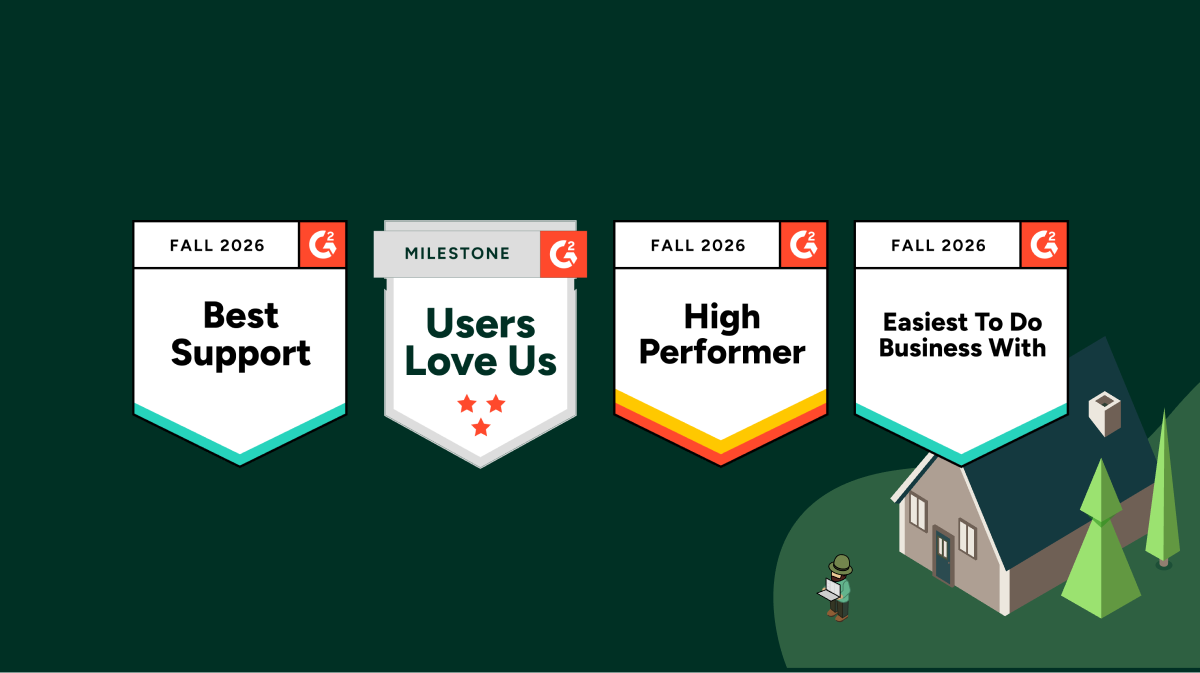
In G2's Fall 2026 reports, Willow earned 17 badges across 16 reports in three categories: AI Governance Tools, AI Orchestration, MCP Gateway and Identity and Access Management (IAM). The badges include Best Support in two categories, Easiest to Do Business With, and High Performer in all three. The ratings come from verified users, not analysts or a vendor scorecard. Willow holds a 4.9 out of 5 on G2 with 98+ reviews.
Here's what the badges mean, why the IAM placement is the part that matters, and what users actually said.
One product, three G2 grids
Willow is rated in three G2 categories that rarely overlap: AI Governance Tools, AI Orchestration, and Identity and Access Management.
Each category measures something different:
- AI Governance Tools (611 products) measures whether you can oversee AI with policy, risk controls, and compliance evidence.
- AI Orchestration (925 products) measures whether you can coordinate models, agents, and tools across the business with governance built in.
- Identity and Access Management (302 products) measures whether you control who gets access to what. It's the grid shared with Okta, Microsoft Entra ID, and JumpCloud.
Most AI tools show up in one of these. A gateway sits in one grid, a shadow-AI scanner in another, an agent builder in a third. Getting rated in all three from the same verified users is the clearest signal we have that Willow runs as one control plane, not seven tools stitched together.
Why an AI governance platform belongs on the IAM grid
AI agents are users. They're non-human, they act with delegated authority, and they work at machine speed across dozens of systems.
Traditional IAM answers one question well: can this person sign in to this app? Agents raise harder ones:
- Which tools should this agent see for this task?
- Can it read this Jira project, or also delete from it?
- Whose authority is it acting under?
- Can you prove afterward what it touched?
Answering those takes identity and governance at the moment of action. That's the layer Willow adds. It doesn't replace your identity provider. It inherits from it. Willow sits on top of Okta, Entra, Active Directory, or JumpCloud, and gives every agent a real identity tied to a human, scoped access to exactly the tools it needs, runtime guardrails, and a full audit trail.
Every infrastructure era gets its access layer. On-prem had Active Directory. SaaS had Okta and SSO. Agents need one built for them. G2 just added a Non-Human Identity Management category for the same reason. The market sees the gap.
Analysts grade the program. Users grade the runtime.
Gartner published its first Magic Quadrant for AI Governance Platforms in June 2026. It's a useful map of the program layer: AI inventories, risk tiers, regulatory mapping, and evidence workflows. Every enterprise needs that layer, and the MQ evaluates it well.
Runtime is a different question. What happens when an agent with a token hits a production system at 2 a.m.? Independent reads of the MQ note that its methodology doesn't formally evaluate runtime blocking or sandboxing, and treats MCP governance as an emerging capability.
Peer reviews fill that gap. The people writing them run the platform every day. They don't describe policy documents. They describe the tool call that got scoped, the connection that got caught, the ticket they never had to file.
What verified users actually said
Four themes dominate the reviews. Each one maps to a real problem enterprises hit when AI adoption meets security.
1. Access without the IT ticket
The most common theme across Willow reviews is integrations that were already there on day one.
"Slack, Google Drive, Rocketlane, HubSpot, all connected, no ticket to IT to get any of it working."Adi K., Payments Operation Specialist, Mid-Market
A payments ops specialist isn't a developer, and she'll never write an MCP config. That's the point. Willow ships 1,000+ pre-built connectors and wraps any API as an MCP, so employees connect approved tools themselves and IT sets the rules once. Security stops being the bottleneck and becomes what makes the rollout possible.
2. Least privilege before the call runs, not a report after
Most guardrails try to catch a bad action after it happens. Reviewers describe the opposite.
"Handles governance at the point where the agent actually gets its tools, not as a report after the fact."Eric S., Backend Developer, Enterprise
Eric also named the problem it replaced: agents connecting to internal systems "with way more access than they needed, and no real way to prove after the fact what touched what." Willow generates tools for the task at runtime, so an agent only sees what the job requires. Every call lands in the audit trail and can stream to Splunk or Loki. Guardrails that hope to catch mistakes, versus tools that can't make them.
3. Shadow AI, found and governed
One reviewer titled their review "From Shadow AI to CISO Approval in Two Weeks." Another wrote this:
"Shadow AI detection has caught more unauthorized connections than I expected."Gopal A., Senior Software Engineer, Mid-Market
Most gateways secure the connections you already know about. The real risk is the ones you don't: MCP servers, skills, and agents installed by individual developers. Willow's endpoint and browser sensors find them, then bring them under the same policy as everything else. Visibility plus the control to act on it, from one place.
4. It passes security review, then it scales
"Willow had SOC 2, audit logging, and SSO through our existing IdP in place from day one."Verified User, Real Estate, Mid-Market
Another reviewer's title says it plainly: "Passed our security review faster than any vendor we've onboarded." After approval, scale takes over. At Wix, around 5,000 people use Willow weekly, more than the entire engineering org, across HR, legal, finance, design, and R&D. That's 300,000+ governed tool calls every week, all behind Okta SSO with full audit.
The support badges are the adoption story
Best Support in two categories. Easiest to Do Business With. For an infrastructure vendor, those badges say something specific.
Agent governance is a moving target. The MCP spec changes, new agents ship monthly, and every new use case brings a new edge case. When your control plane has a question, you need an engineer who answers today, not a ticket queue. Reviewers named it again and again: "Seamless Integrations, Zero Downtime, and Same-Day Support." "Fast-Moving Product with Genuinely Responsive Slack Support." "The only vendor with true, great and instant support."
It's also why Willow goes live in seven days, not pilots.
How to evaluate AI agent access platforms on G2
Whether or not you shortlist Willow, here's how to read G2 for this category:
- Check which categories a vendor is rated in. A product rated only in AI Gateways is likely routing traffic. Ratings across governance, orchestration, and identity point to a platform.
- Filter reviews by role. Security, platform, and business users should all show up. If only developers review it, expect a dev tool.
- Look for runtime language. "Scoped," "blocked," "audit trail," "least privilege" describe enforcement. "Dashboard" and "visibility" alone describe observation.
- Weigh recency. This market changes every quarter. A review from 2024 describes a different product.
- Read the Relationship Index. Support and ease of doing business predict how fast you'll get to production.
What High Performer means, and what's next
High Performer means top-tier customer satisfaction, with market presence still growing. That's the honest read for a platform that came out of stealth this year. Our users rated us as highly as anyone in these categories. Market presence is the part we're building, one governed rollout at a time.
Every era gets its access layer. Choose it on purpose now, or assemble it by accident after an incident.
Background Agents in the Enterprise
Most teams can spin up an agent. Few can deploy one their security team signs off on. Here's the framework that does both.
FAQS
Everything you need to get your Basecamp running.
Your agents are already in the wild.
Give them a Basecamp. Go from AI chaos to AI work, in minutes.
